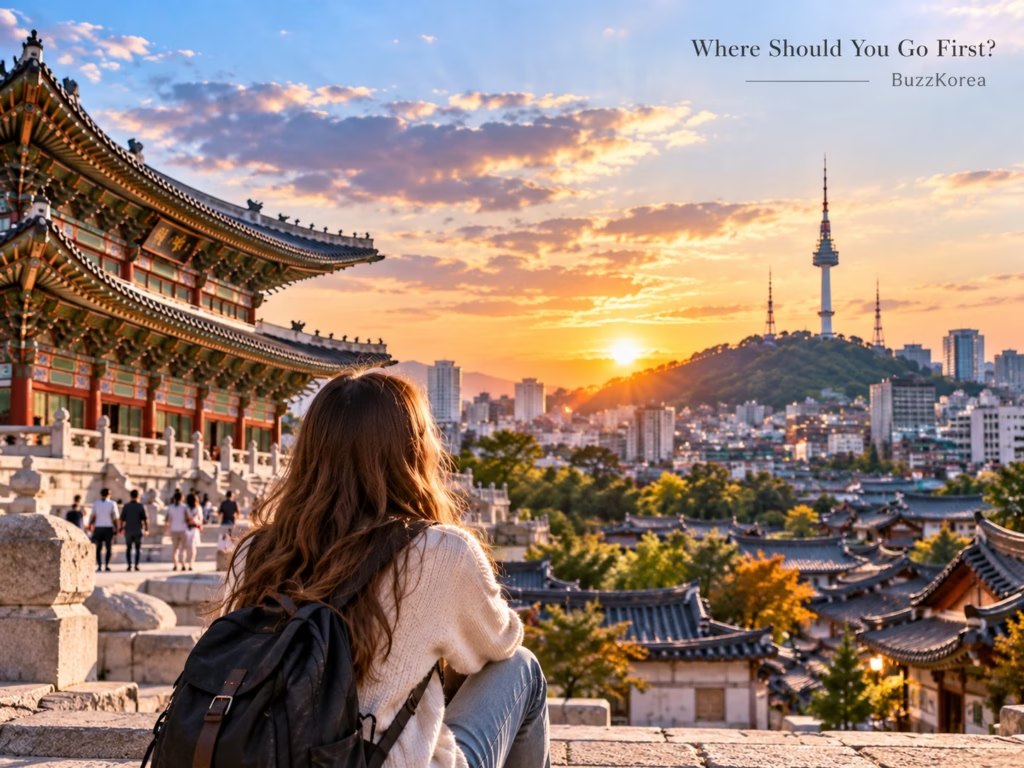
When planning a trip to Korea for the first time, you may find your itinerary quickly filling up because there are so many places you want to visit. If you try to include everything from Gyeongbokgung Palace and Bukchon Hanok Village to Myeongdong, Seongsu, the Han River, and N Seoul Tower, the trip can easily become overwhelming from the very first day. Although all the tourist attractions may seem close on a map, considering airport arrivals, transportation, luggage storage, jet lag, and fatigue, the goal for the first day should be to "adapt to Seoul" rather than "see as much of the city as possible." Let's examine how to spend the first day most efficiently by following the actual flow of the trip.
First day schedule that varies completely depending on arrival time
The schedules of a traveler arriving at 6 AM and one arriving at 5 PM cannot be the same. If you arrive at Incheon Airport in the morning and reach your accommodation in Seoul around noon, a relatively relaxed schedule is possible; however, if you arrive in the late afternoon or at night, it is realistic to shorten your itinerary to just check-in, a light dinner, and night views. Instead of making overly ambitious plans, a flexible approach tailored to your arrival time is necessary.
Criteria for airport transfer and accommodation selection
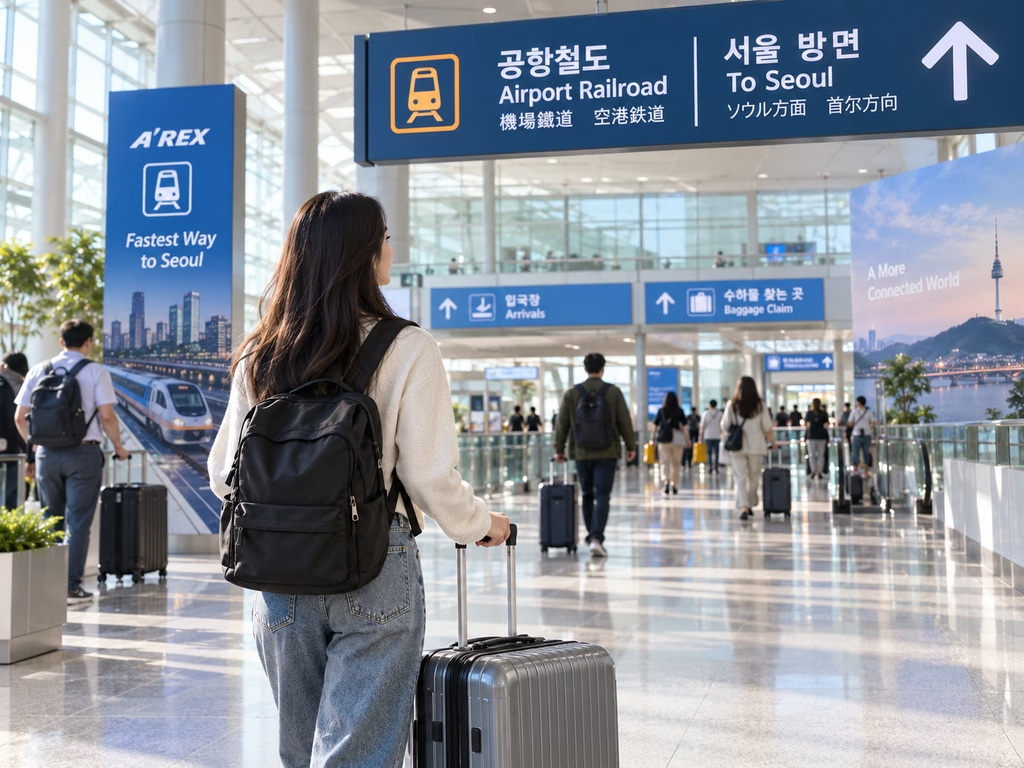
When leaving Incheon International Airport, there are various options available, such as the Airport Railroad, airport buses, and taxis. The Airport Railroad is convenient if your accommodation is located near Seoul Station or Hongdae, while the airport bus is more advantageous if you are in an area like Myeongdong or Jongno where buses stop nearby. Rather than insisting on the fastest method, you should consider how many transfers you might have to make while carrying a large suitcase to avoid getting exhausted right from the start of your trip. For first-time visitors, booking accommodation in areas with convenient transportation, such as Myeongdong, Jongno, or Euljiro, is the most beneficial for adapting to the city.
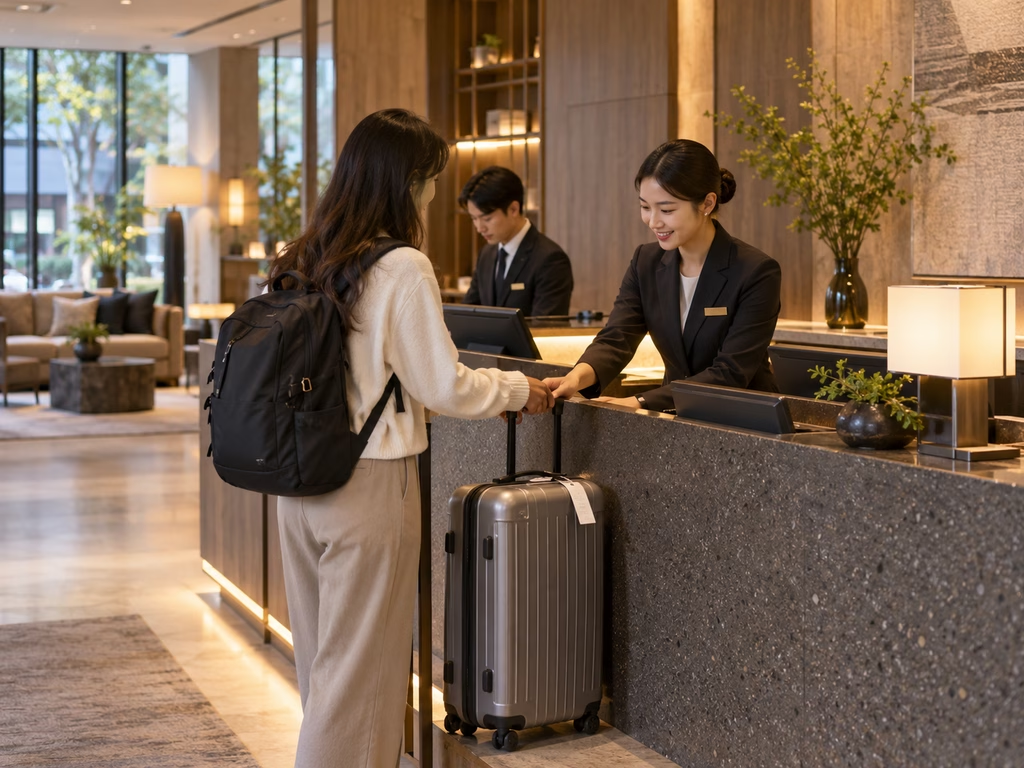
12:00 PM: Drop off your luggage and start light.
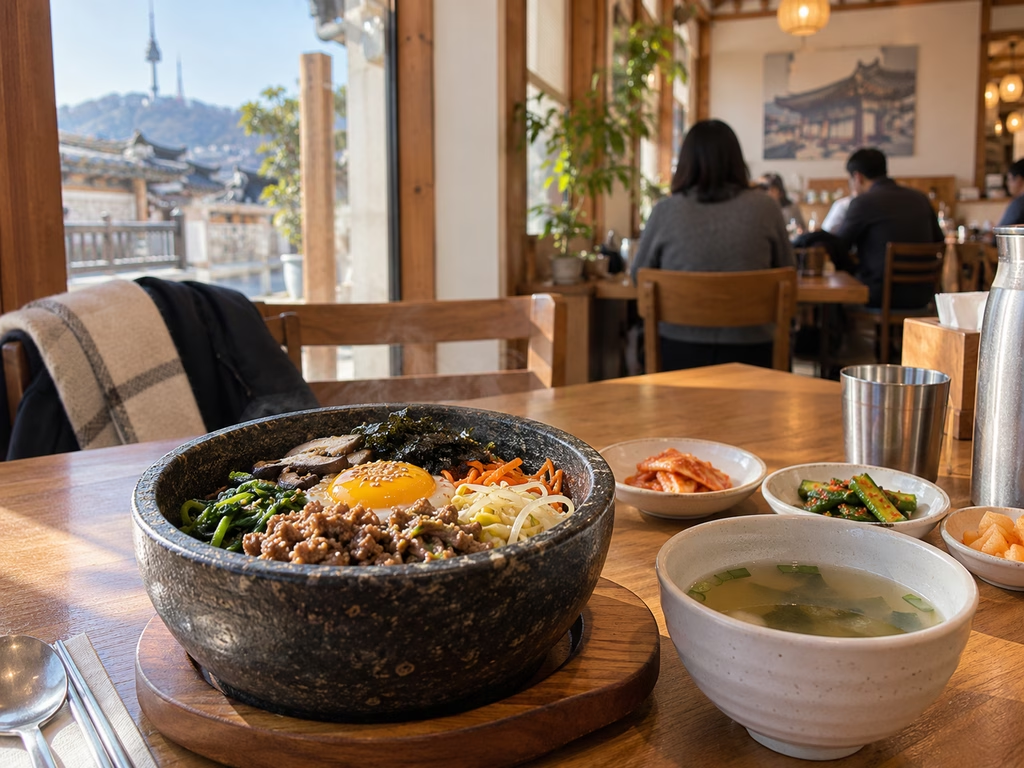
Upon arriving at your accommodation, even if it is not yet check-in time, you should first check if luggage storage is available and part ways with your suitcase. Dragging a large bag through long walkways at subway stations or up hills consumes more energy than you might expect. Your real exploration of Seoul begins only after you have dropped off your bags. For your first meal, rather than waiting in line for an hour at a famous restaurant, a dish like bibimbap, seolleongtang, or kalguksu—which allows you to comfortably replenish your energy at a nearby place—is sufficient.
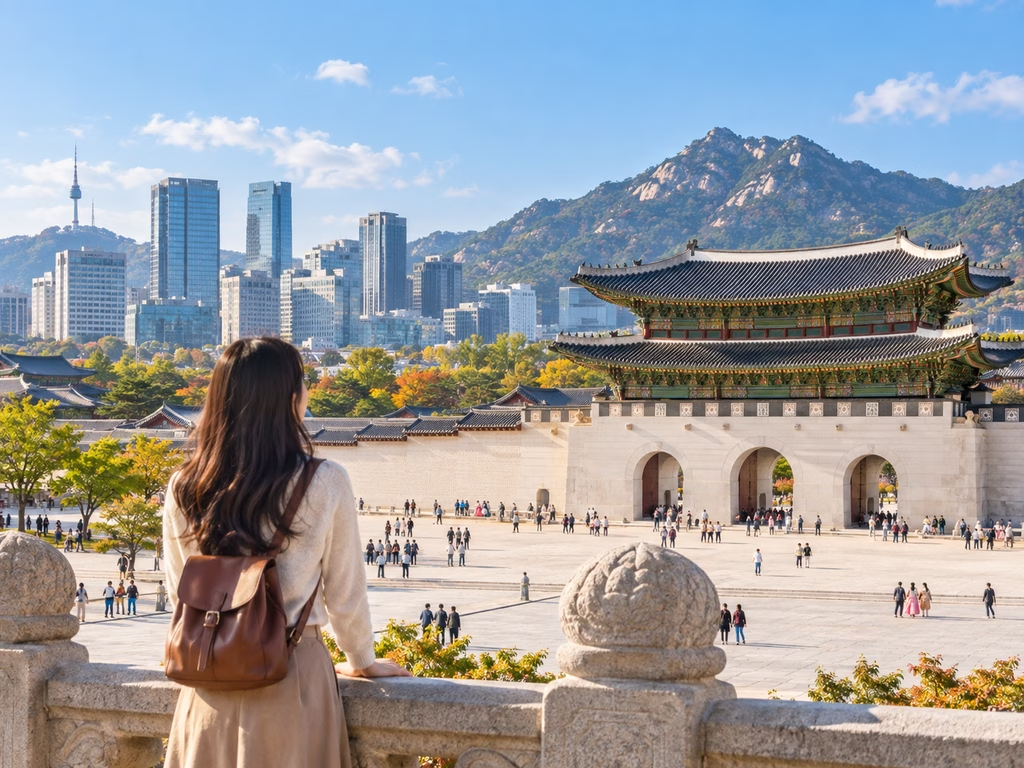
1:30 PM – 2:00 PM: First Impressions of Seoul at Gwanghwamun and Gyeongbokgung Palace
If you want to experience the coexistence of Seoul's past and present most quickly, the area around Gwanghwamun Square and Gyeongbokgung Palace is the perfect place. The sight of a Joseon Dynasty palace appearing amidst modern skyscrapers leaves a powerful first impression of your trip to Korea.
However, please note that Gyeongbokgung Palace is closed every Tuesday, and closing times vary by season (e.g., last admission at 5 PM and viewing ends at 6 PM in September and October), so you must check the operating hours before visiting. While renting a Hanbok creates special memories, if the time required for preparation and return is too physically demanding, simply taking in the view on the first day is sufficient.
3:30 PM – 4:00 PM: Break at cafes in Bukchon Hanok Village and Ikseon-dong
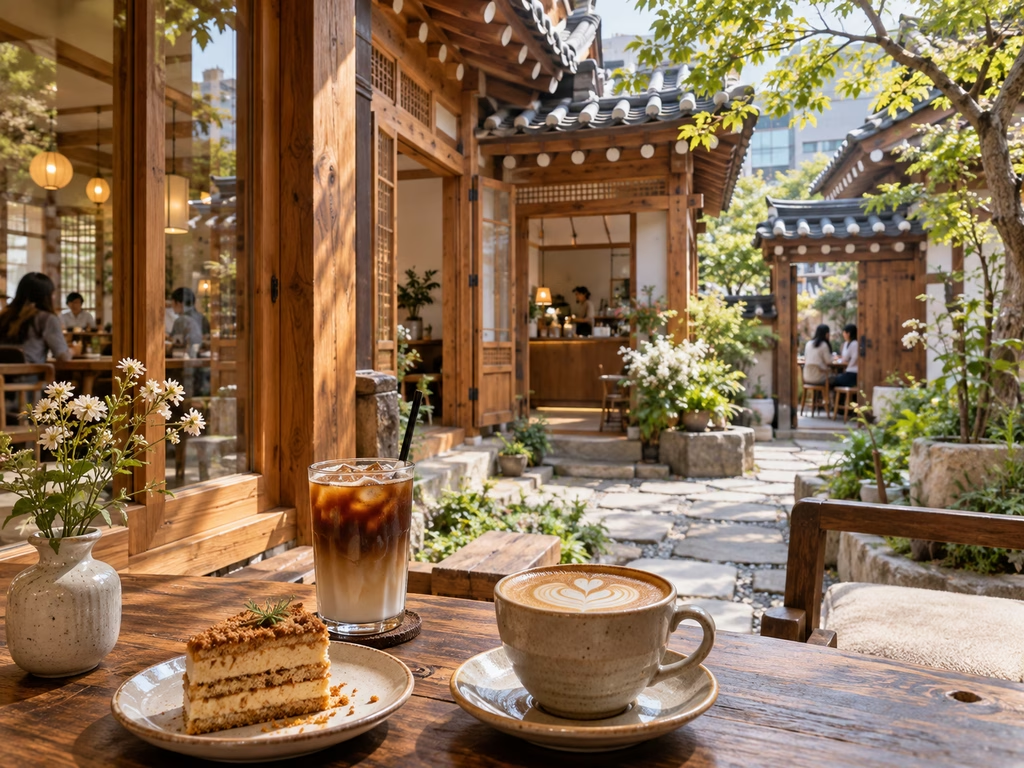
After visiting Gyeongbokgung Palace, you can proceed to Bukchon Hanok Village, where traditional Hanok houses are clustered. However, as Bukchon is a residential area where actual residents live, please refrain from making noise or taking photos inappropriately towards the houses. If you are feeling exhausted, it is perfectly fine to skip the Bukchon itinerary.
Instead, a practical itinerary involves taking a break in Ikseon-dong, where cafes housed in renovated old Hanoks are clustered. Unlike the warehouse-style cafes in Seongsu, you can take time to recharge while enjoying coffee and desserts in a cozy Hanok setting.
5:30 PM – 7:00 PM: Shopping in Myeongdong and dinner
As the sun sets, head to Myeongdong, the hub of shopping and K-beauty. You can easily find toiletries and snacks needed for your trip, and find various beauty stores such as Olive Young readily available. Rather than making impulse purchases that become extra baggage on the first day, it is more efficient to browse around as a form of 'market research' to get a general sense of the atmosphere and prices.
For dinner, you can choose a menu that suits your taste, such as samgyeopsal, bulgogi, or stew. If you are with a group, the experience of grilling meat at the table and wrapping it in lettuce is a great way to understand Korean food culture, while if you are traveling alone, you can choose dishes that are convenient for a single meal, such as gukbap or bibimbap.
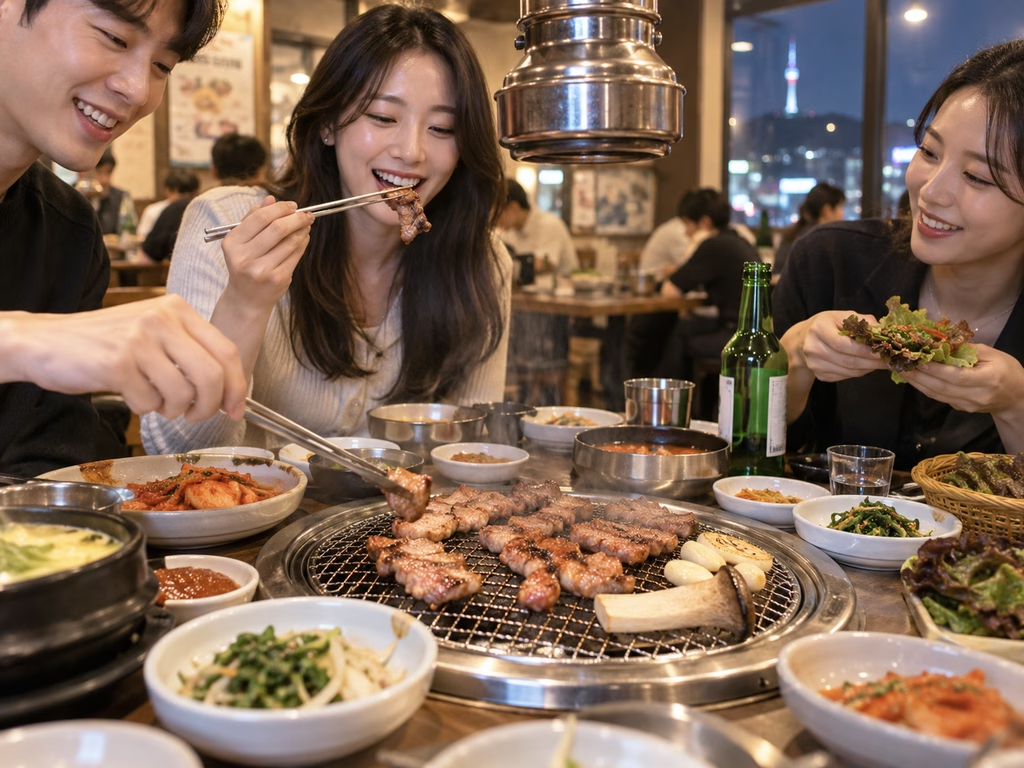
8:30 PM – 10:00 PM: Namsan night view and return to accommodation
If you have the energy left, I recommend wrapping up your first day by admiring the 360-degree night view from N Seoul Tower at the summit of Namsan. You can take in a panoramic view of the entire city center you walked through during the day. Even if you don't go up to the paid observation deck, you can still enjoy the night view from the walking paths around the tower.
Although Seoul stays lively late into the night, it is wise to return to your accommodation around 10 or 11 p.m. to conserve breakfast items or drinks before heading back to your room, adding a touch of simple fun.
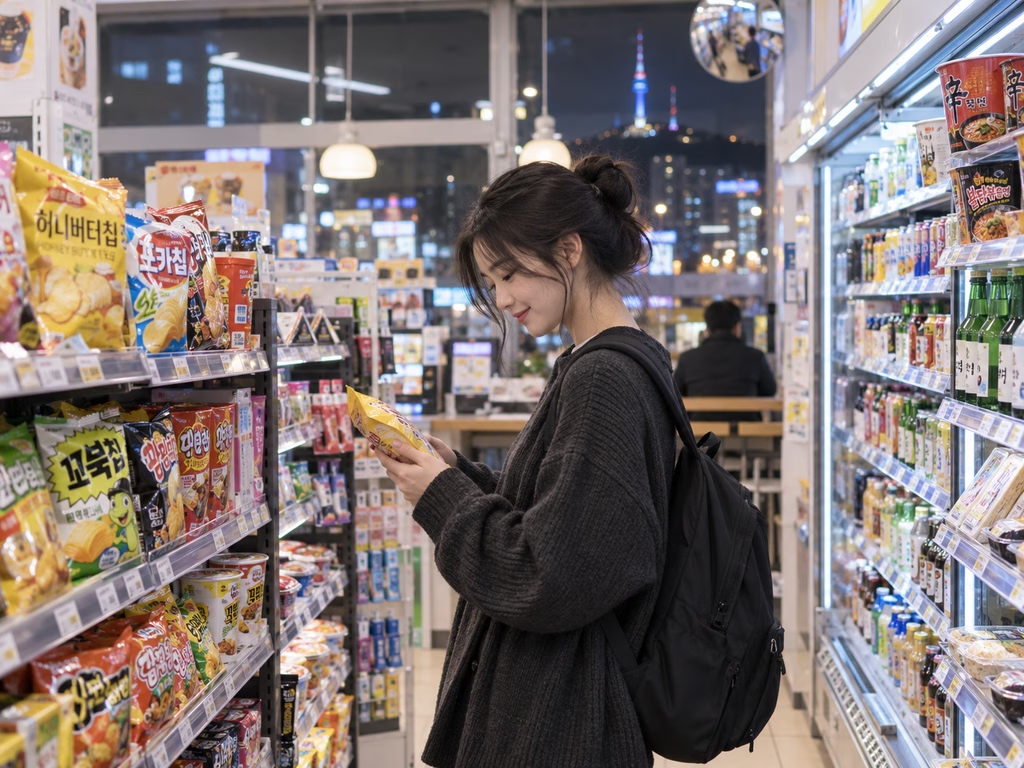
Variable response: Late arrival, Closed on Tuesdays, Weather changes
If you arrive late in the afternoon or at night, you should skip the palace and Bukchon itinerary and finish your schedule with just check-in, dinner, and a brief stroll around the accommodation. Additionally, if you arrive on a Tuesday when Gyeongbokgung Palace is closed, it is advisable to flexibly change your itinerary to focus on Gwanghwamun Square, Insadong, and Ikseondong.
If weather variables such as rain, summer heatwaves, or winter cold snaps occur, you should reduce the proportion of outdoor activities and readjust your itinerary to focus on shopping in Myeongdong, large shopping malls, and indoor cafes to ensure a healthy and safe trip.
Tips for dividing a trip to Seoul by region
Since popular areas such as Seongsu, Gangnam, and Hongdae are spread out, you should group them by region to reduce travel time rather than trying to cover everything on the first day.
- Northern Downtown Area: Gwanghwamun, Gyeongbokgung Palace, Insadong, Ikseondong
- Jung-gu area: Myeongdong, Namsan, N Seoul Tower
- Eastern Region: Seongsu, Seoul Forest
- Southern Region: Gangnam, COEX, Apgujeong
- Western Area: Hongdae, Yeonnam, Mangwon
Grouping regions by category can significantly reduce the fatigue of traversing the entire city of Seoul by subway.
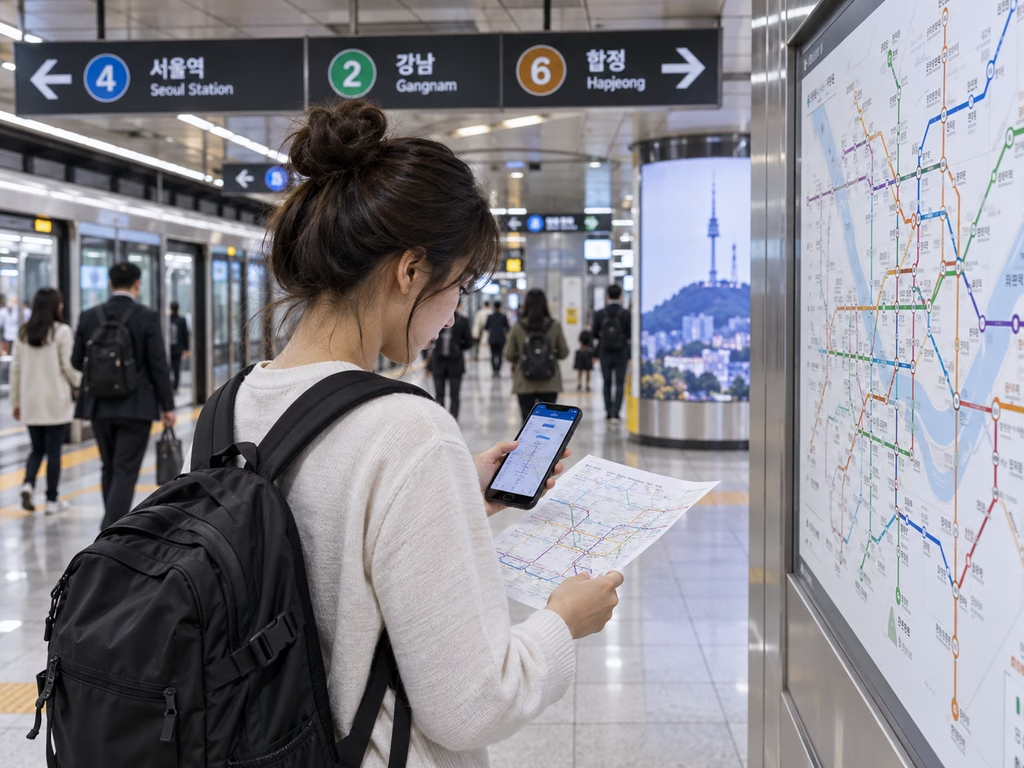
Completion of the First Day: How Much You Watch Is Not Everything
For first-time foreign travelers, everything—from how to ride the subway and unfamiliar currency units to how to order at restaurants—is bound to be new and unfamiliar. Rather than forcing yourself to visit dozens of tourist attractions in a single day in this state, simply taking the subway once, strolling through Hanok houses and palaces, and relaxing at a cafe to admire the night view is enough to make for a successful first day. The true charm of travel lies in leaving the first day to get acquainted with the city, leaving behind the excitement of wondering, "Where shall I go tomorrow?"
Recommended articles to read together
12 AM in Seoul, the day isn't over yet… Korean nights that surprise foreigners